Picking the right month can make or break a Sahara trip. Too hot and the dunes turn from magical to miserable. Too cold and unprepared, and a desert camp night gets uncomfortable fast. Here is what to actually expect, season by season, so you can plan with confidence.
The Short Answer: October to April
If you want the simplest answer, aim for October through April. Daytime temperatures stay comfortable enough for camel treks and 4×4 excursions, and nights, while cooler, rarely become unbearable outside the depths of winter. Within that window, spring and autumn edge out as the sweet spot, since winter nights can drop close to freezing in the deep desert.
Spring (March to May)
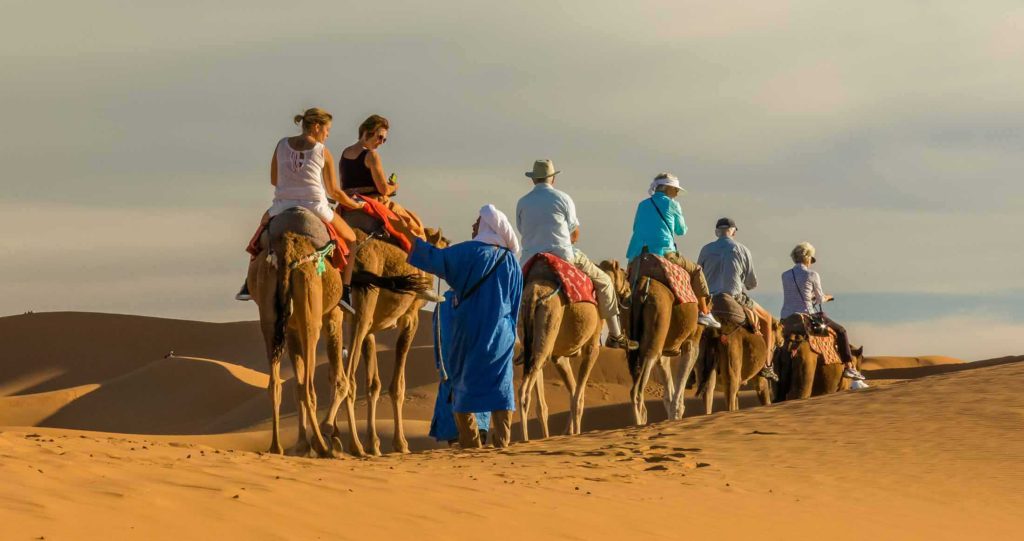
Spring is widely considered the best season for the Sahara. Daytime highs sit around 22 to 30°C, warm enough to enjoy the dunes without exhausting yourself, while nights cool down to a manageable 10 to 15°C. This is prime time for camel trekking, dune hiking, and overnight camps.
One thing to watch for: March and April can bring stronger winds and occasional sandstorms, especially around Merzouga and Erg Chebbi. It rarely disrupts a trip, but it is worth packing a scarf or buff to keep sand out of your face during a windy afternoon.
Summer (June to August)
Summer in the Sahara is intense. Daytime temperatures regularly climb past 40°C, and July and August can push into the mid-40s. Full-day desert excursions in this heat are not recommended, and honestly, not much fun.
That said, summer is not a dealbreaker if your dates are fixed. Early morning or sunset camel rides stay pleasant, and overnight camps work well since desert nights in summer rarely turn cold. This season suits heat-tolerant travelers or those combining a short desert stop with a longer coastal itinerary through Essaouira or Agadir.
Autumn (September to November)
Autumn mirrors spring in comfort. By October and November, daytime highs settle back into the 22 to 30°C range, and the dunes take on a golden, photogenic light that photographers particularly love. Many travelers rank autumn alongside spring as the best overall season for a Sahara trip, with the added bonus of slightly thinner crowds than the spring high season.
Winter (December to February)
Winter days in the desert are often mild and sunny, typically 18 to 25°C, which surprises first-time visitors expecting year-round heat. Nights are a different story: temperatures can drop close to or below freezing, especially in camps out in the open dunes.
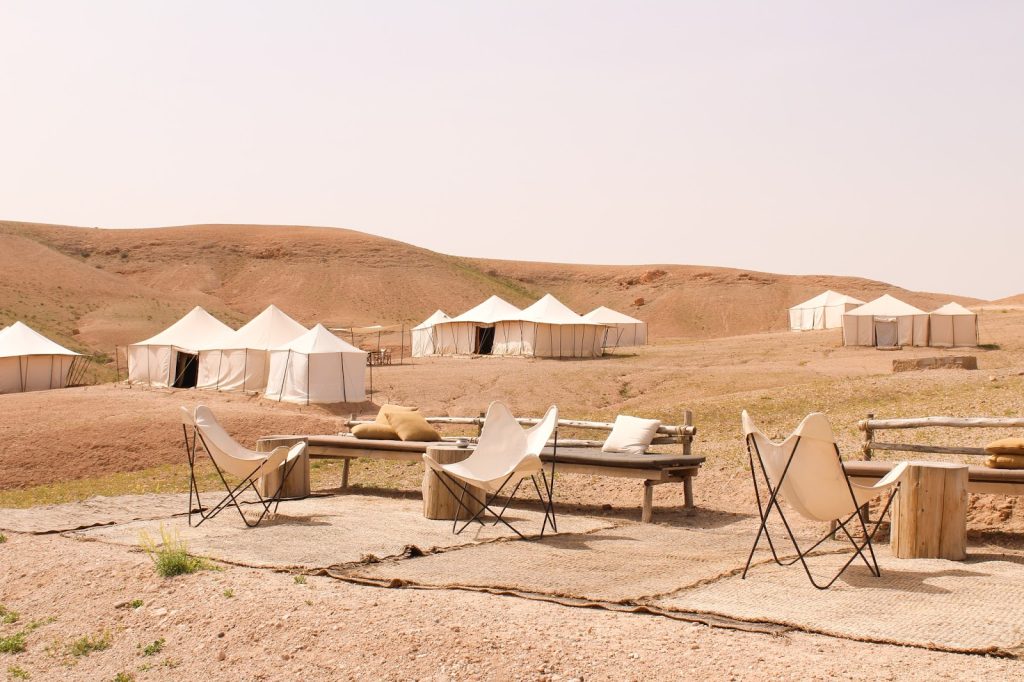
The upside is real. Winter brings the smallest crowds of the year, so camps feel more private and less touristy. It also delivers some of the clearest stargazing conditions, since cold, dry air cuts through haze and lets the Milky Way stand out sharply. Just pack proper warm layers, this is the one season where an underprepared night in a Berber tent can genuinely be uncomfortable.
Sahara Temperatures by Season: Quick Reference
| Season |
Daytime Temp |
Nighttime Temp |
Crowd Level |
Best For |
| Spring (Mar-May) |
22-30°C |
10-15°C |
High |
First-time visitors, comfort |
| Summer (Jun-Aug) |
40-45°C+ |
Warm, rarely cold |
Low |
Sunrise/sunset activities only |
| Autumn (Sep-Nov) |
22-30°C |
10-15°C |
Medium-High |
Photography, comfort |
| Winter (Dec-Feb) |
18-25°C |
Near or below freezing |
Low |
Stargazing, privacy, budget travel |
Which Season Should You Choose?
If comfort is your top priority, book spring or autumn. If you would rather avoid crowds and don’t mind bundling up at night, winter delivers a quieter, starrier experience. If your only available dates fall in summer, plan around the heat by sticking to early morning, sunset, and overnight activities rather than a full day out in the dunes. Families with young kids generally do best in spring or autumn, when daytime activities do not require racing the heat or the cold.
FAQ
Is it ever cold in the Sahara desert?
Yes. Even after a hot day, desert nights cool down significantly, and winter nights can approach or dip below freezing.
What is the hottest month in the Moroccan desert?
July and August are the hottest, with daytime highs often exceeding 45°C.
Can you visit the Sahara in summer?
Yes, but plan around the heat. Stick to early morning, sunset, and overnight camp activities rather than full-day excursions.
What should I pack for desert nights?
Warm layers regardless of season, including a jacket or fleece for winter camps, since nights are consistently colder than days.
Is spring or autumn better for the Sahara?
Both offer nearly identical temperatures and comfort. Spring tends to draw slightly larger crowds, while autumn offers similar weather with a touch more quiet.
Ready to Plan Your Sahara Trip?
October to April remains the safest bet for comfort, but every season has its own version of the Sahara experience, from golden autumn light to private winter nights under a sharp, star-filled sky. Once you know when you’re going, the next question is where to sleep. Read our guide on spending a night in a Berber camp to know what to expect (link once the article is published).
Explore our Merzouga desert tours or Zagora desert tours and pick the season that fits you best.