Based on years of organizing desert trips for travelers arriving alone, the same question comes up almost every time: is the Sahara actually safe to visit solo? The honest answer is yes, with the right approach. Here is what that approach actually looks like, without the exaggerated fear or the empty reassurance.
Is the Sahara Safe for Solo Travelers?
Yes. Morocco’s desert regions have a low crime rate, a long-standing tourism infrastructure, and tight-knit communities that are used to welcoming travelers on their own. That said, “solo” needs a clear definition here. Traveling solo means going without companions, not going without a guide. In the dunes, a guide is never optional, and that distinction matters more than almost anything else in this article.
The One Rule That Matters Most: Never Go Into the Dunes Alone
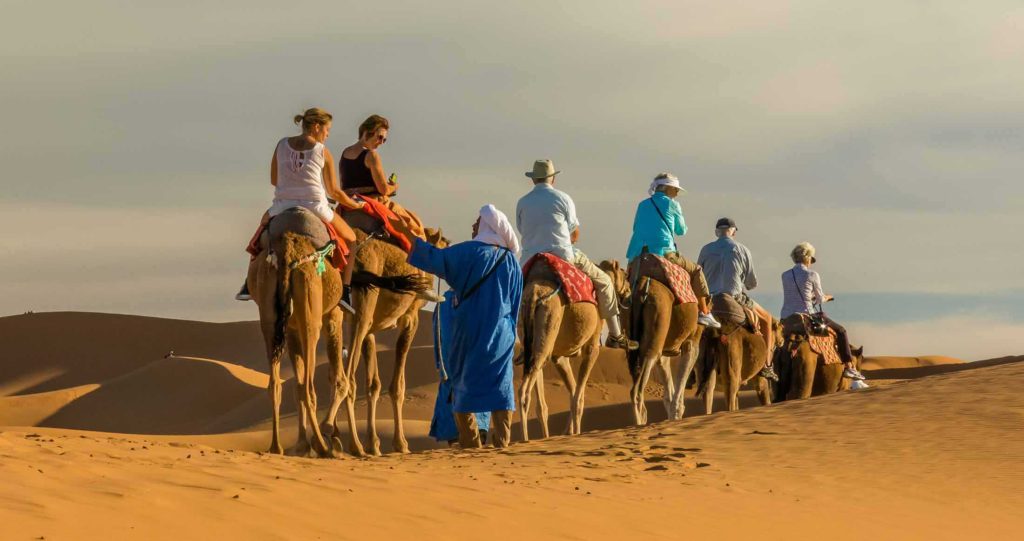
The real risks in the Sahara are environmental, not criminal: heat, dehydration, and disorientation once you’re away from any fixed landmark. Even experienced desert travelers and guides themselves never venture into the dunes without a local guide who knows the terrain, the water points, and the weather patterns. A private guide and tour still counts as solo travel in every sense that matters, you’re alone as a traveler, just not unsupported.
Solo Female Travel in the Sahara
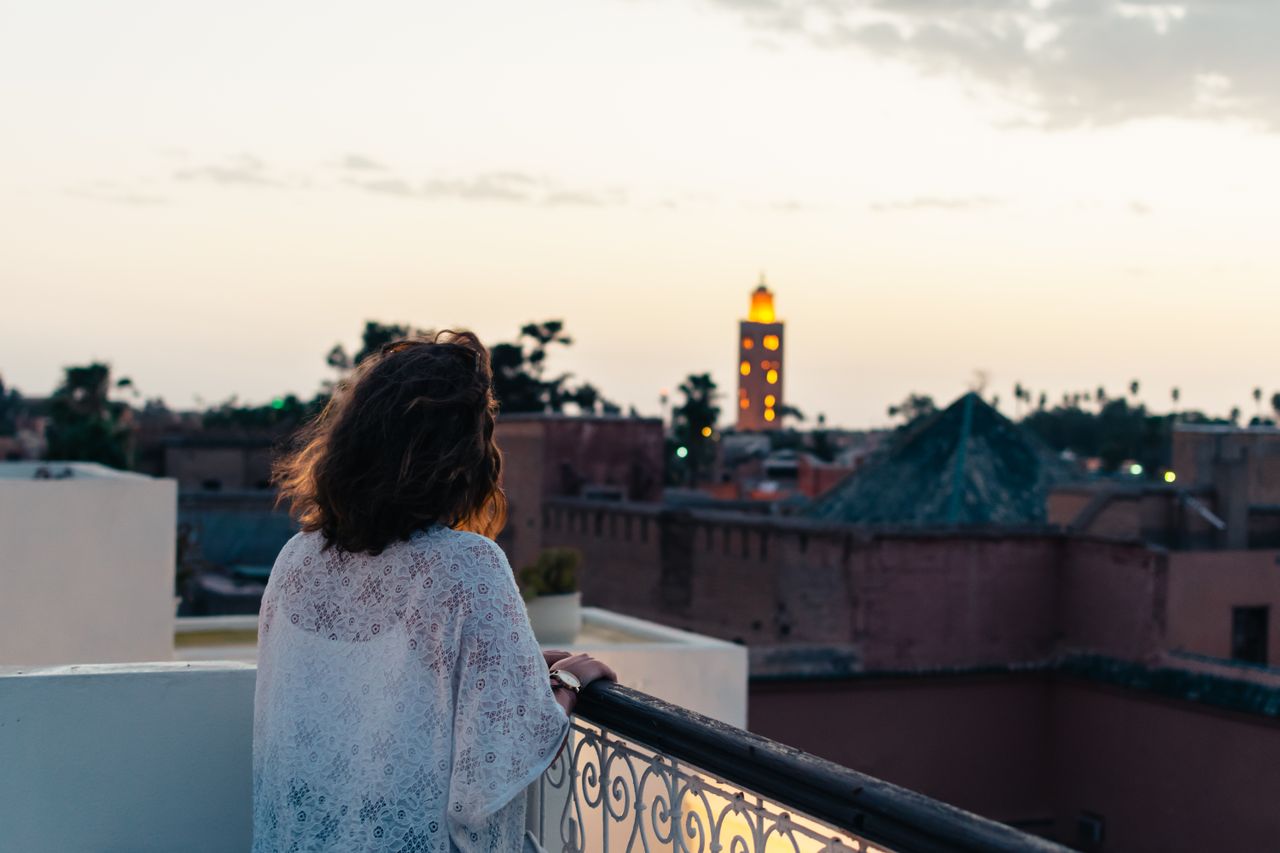
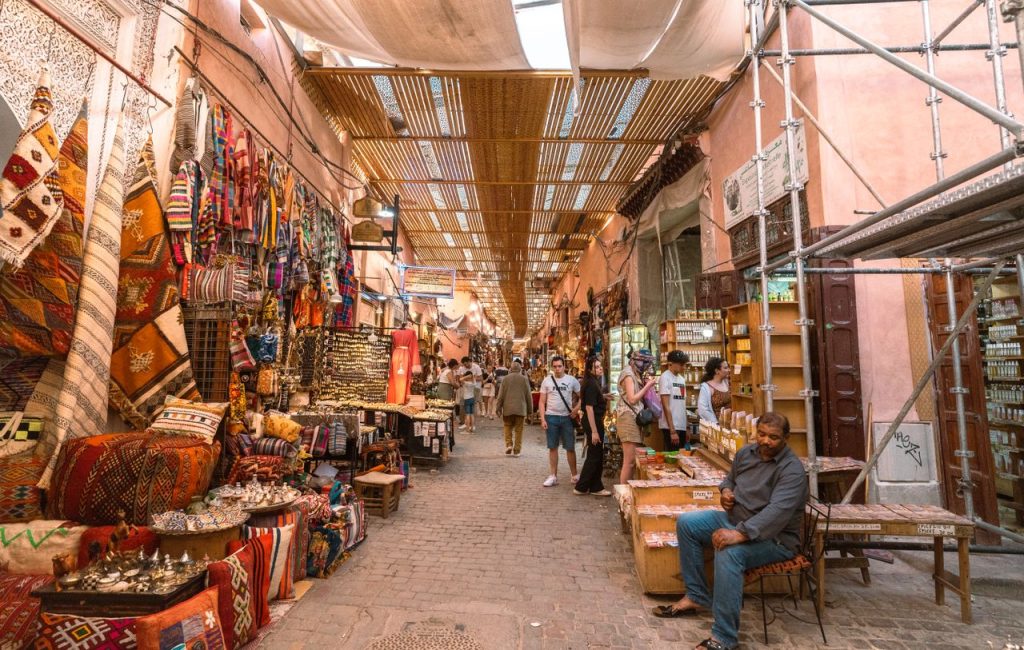
This deserves its own section, since it’s one of the most common concerns among solo travelers. In cities like Marrakech, women traveling alone may get occasional stares or comments. At established desert camps, the experience is generally different, respectful and professional, particularly with reputable operators who host solo women regularly.
A few practical steps make a real difference: book through an established operator rather than an informal arrangement, dress modestly (long sleeves, long pants) out of cultural respect in rural areas, and consider a private tour if solitude and comfort matter more to you than the social dynamic of a group.
Before You Go: Preparation Tips
Share your itinerary with someone at home, your hotel, your dates, your general route. It costs nothing and adds real peace of mind. Travel insurance that includes evacuation coverage is worth having too, given how far some desert regions sit from proper medical facilities. Bring a local SIM card with data for the journey itself, but don’t expect signal once you’re deep in the dunes. Pack a basic first aid kit, sun protection (hat, sunscreen, sunglasses), and layered clothing, since temperatures swing more than most first-time visitors expect.
Staying Safe Once You’re There
Stick to daytime activities in open dune areas, navigation becomes genuinely difficult after dark, even for guides. Stay on top of your hydration during camel treks or sandboarding, since dehydration is by far the most common issue travelers actually run into. It’s a good habit to shake out your shoes before putting them on, scorpions are rare but it costs nothing to check, and keep a small headlamp on hand for moving around camp at night. Above all, trust your guide’s calls on pace, route, and timing. They read the terrain and the weather far better than any traveler can on a first visit.
Private Tour vs Group Tour for Solo Travelers
Group tours tend to be more social and generally more affordable, a good fit if you’d enjoy company along the way. Private tours give you full control over pace and timing, which suits solo travelers looking for a quieter, more personal experience. Both are equally safe when booked through a reputable operator, the right choice really comes down to your personality and your budget rather than any safety difference between the two.
FAQ
Can you visit the Sahara desert completely alone, without a guide?
No, not into the dunes themselves. Even experienced travelers use a local guide, since the terrain and lack of landmarks make independent navigation genuinely risky.
Is the Sahara desert safe for solo female travelers?
Yes, particularly when booking through an established operator. Occasional comments in cities are possible, but desert camps are generally respectful, professional environments.
What is the biggest real risk when traveling solo in the Sahara?
Environmental, mainly heat, dehydration, and disorientation, rather than crime. These are well managed with proper preparation and an experienced guide.
Should solo travelers choose a group tour or a private tour?
Either works safely. Group tours suit travelers who want company, while private tours suit those who prefer solitude and full control over the pace.
Do I need travel insurance for a Sahara desert trip?
It’s strongly recommended, ideally with evacuation coverage, given the distances involved between desert regions and proper medical facilities.
Ready to Book Your Solo Sahara Trip?
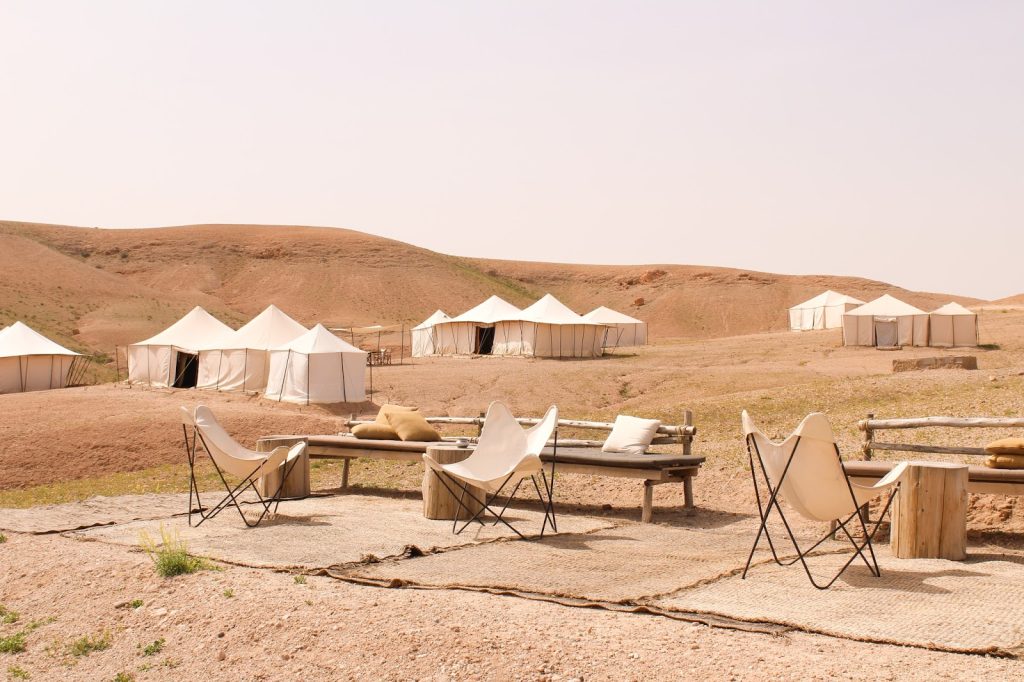
Traveling to the Sahara alone is genuinely one of the most rewarding decisions many travelers make, as long as it’s done with an experienced local guide rather than true independence. Before you go, it’s worth knowing what to expect on your first desert night and checking the best time to visit the Sahara so your trip lines up with the most comfortable conditions (links to be added once those articles are published).
If solitude and full control over your pace matter most, look at our private Merzouga desert tours. Prefer a shorter trip closer to Marrakech? Our Zagora desert tour covers the Draa Valley in just two days. You can also stop at the Ait Benhaddou kasbah along the way, or browse all our tours to find the itinerary that fits a solo trip best.