
Is Morocco safe to travel to? Yes, millions of tourists visit Morocco every year without serious problems, but safe does not mean risk-free. The US State Department currently rates Morocco at Level 2, “Exercise increased caution,” and most real-world trouble for visitors comes down to petty crime and persistent sales pressure, not violence. This guide gives you the official position and the practical habits that keep a trip smooth.
By Lahbib, Berber guide at Visit the Desert. Last updated 18 October 2026. Safety advice changes, so always check the official sources linked below before you travel.
The Short Answer
Morocco is generally considered a safe destination for tourists, including Americans, Europeans and solo travelers, provided you take normal precautions. Official advisories flag two themes: the general threat of terrorism, as in many countries, and petty crime in busy tourist areas.
- US State Department: Level 2, “Exercise increased caution,” reissued on 4 September 2026, with terrorism and petty crime highlighted.
- UK Foreign Office: gives detailed, regularly updated advice and tells every traveler to take out appropriate insurance that covers planned activities.
- Reality on the ground: crowded markets, taxi haggling and unsolicited “guides” are the most common irritations.
What Official Sources Say
The US travel advisory enrolls travelers in its Smart Traveler Enrollment Program, recommends staying alert at popular sites, and suggests travel insurance with medical evacuation cover. The UK government’s advice stresses that no travel is guaranteed safe and links to dedicated pages for women, solo travelers, LGBT+ travelers and adventure activities.
We recommend reading the current pages yourself before you book:
- US State Department Morocco advisory
- UK Foreign Office travel advice for Morocco
- CDC health information for Morocco
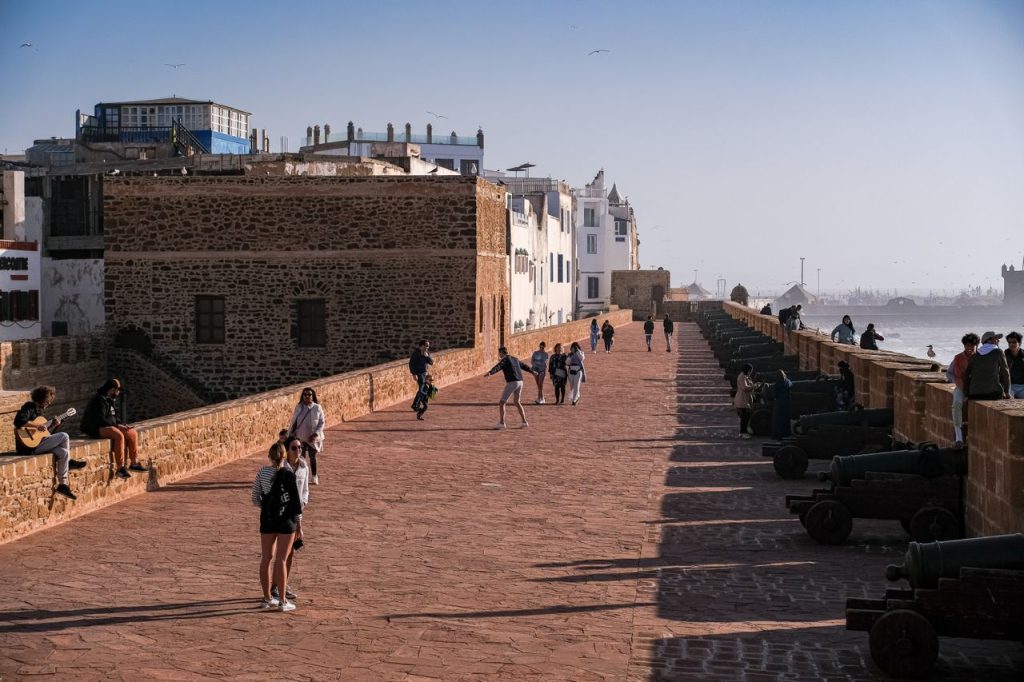
Is It Safe for Americans?
Americans travel to Morocco in large numbers. The advisory level is the same for all nationalities, so the guidance is practical: enroll in STEP, keep a copy of your passport, buy insurance with evacuation cover, and stay aware in crowds. If you are driving to the desert with us, your driver and guide handle roads, check points and logistics, so you are not navigating alone.
The Real Risks, and How to Avoid Them
Petty theft in crowded places
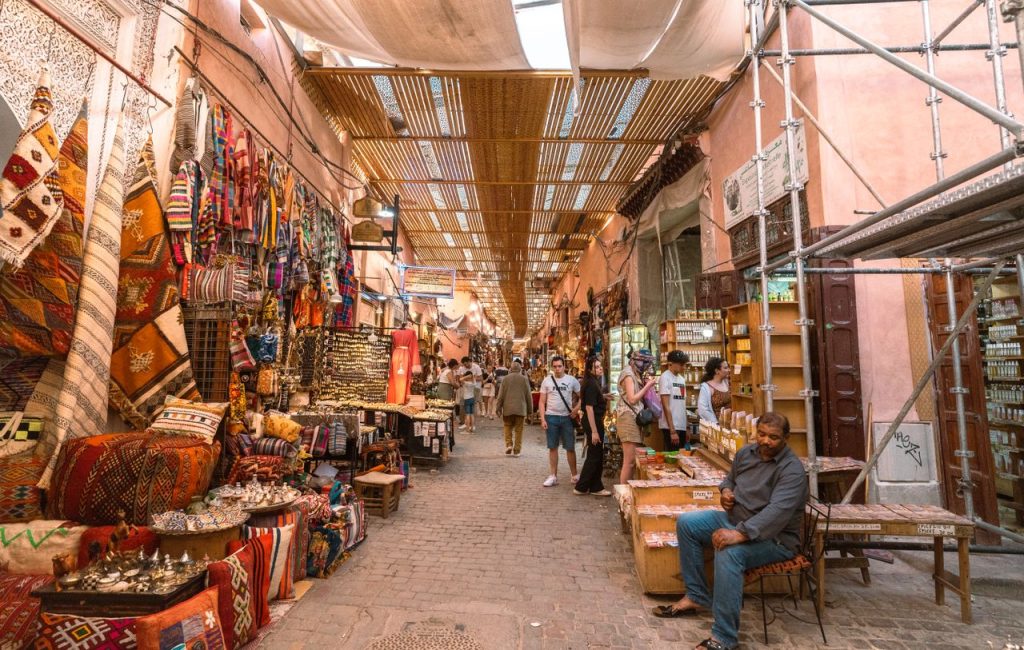
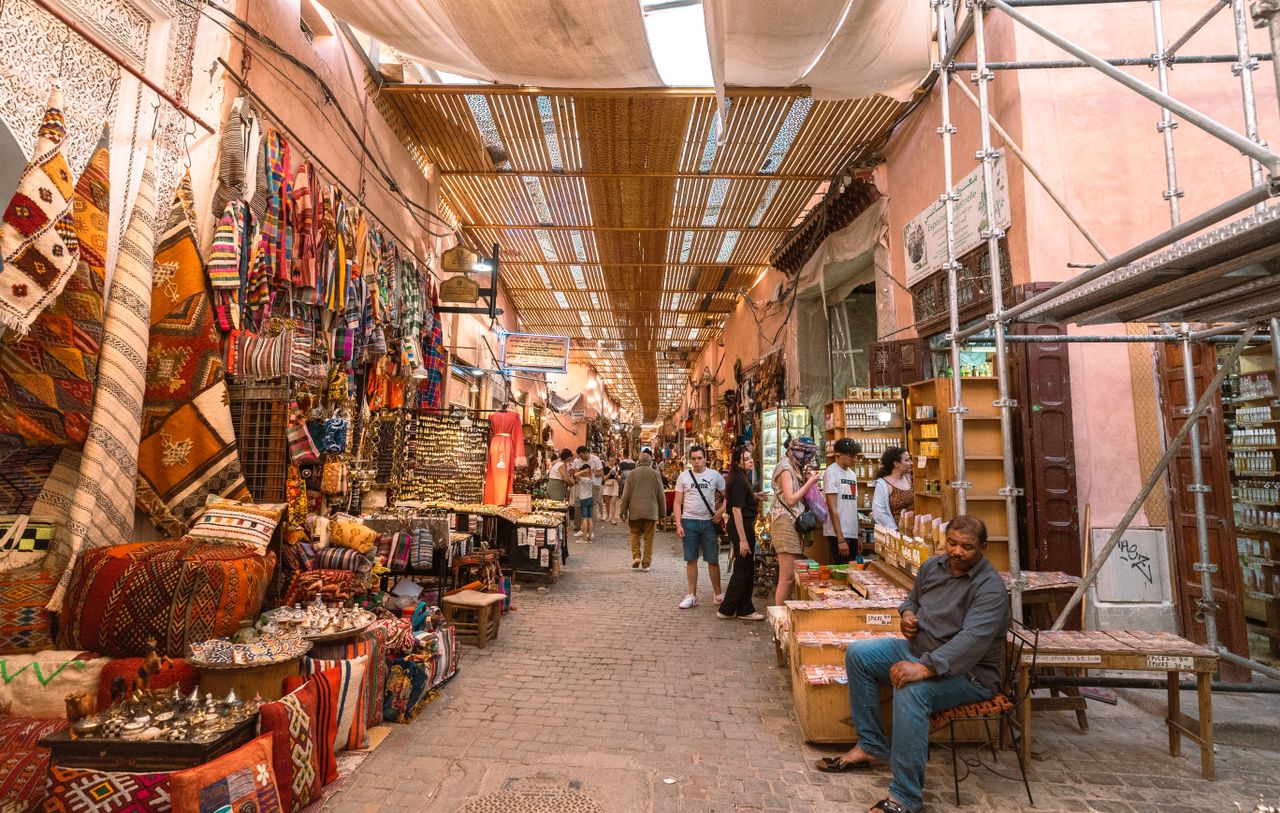
Pickpocketing happens in the busiest souks and squares. Carry only the cash you need, keep your phone in a front pocket or crossbody bag, and leave your passport in the hotel safe.
Scams and “helpful” strangers
The classic lines are “the road is closed,” “I will show you the way,” and “that is not the real tannery.” A polite “no thank you” and keeping to your route works. If you want a guide in the medina, hire an official licensed one. Our guide on whether you need a tour guide in Morocco explains how.
Taxis and prices
Agree the fare before you get in, or ask for the meter. Ask your riad to call a trusted taxi, or let your private driver do the transfers.
Heat, sun and dehydration
In the south, the sun is a bigger daily risk than crime. Drink bottled water, wear a hat and sunscreen, and avoid midday walking in summer.
Roads and mountain driving
Mountain roads such as the Tichka Pass are winding. A professional driver with an air-conditioned vehicle is the safest way to cross them.
Is the Desert Safe?
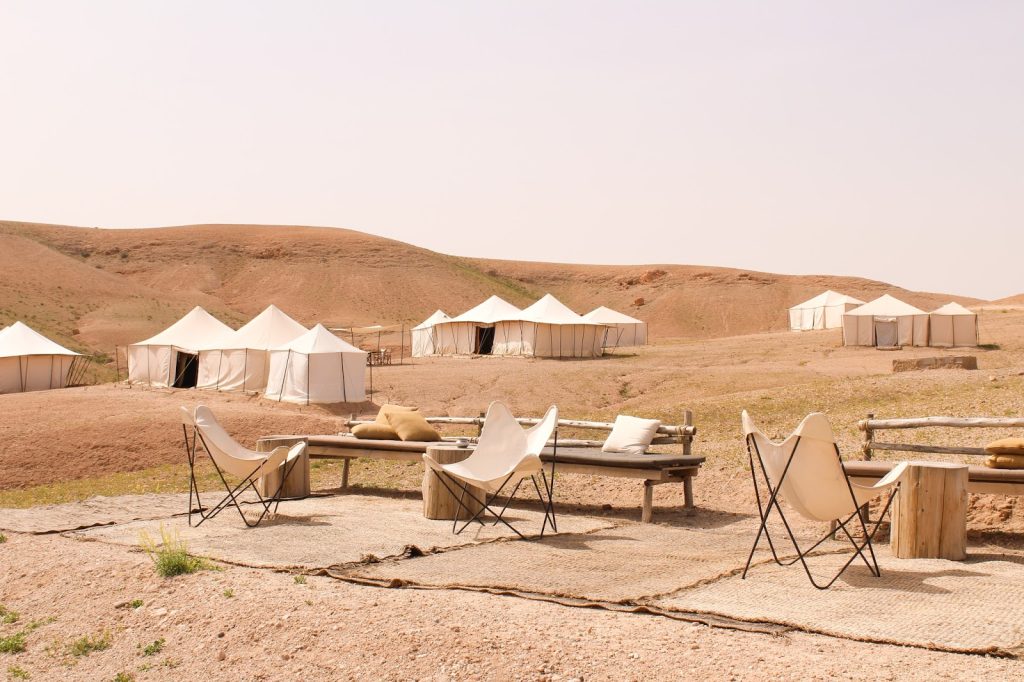
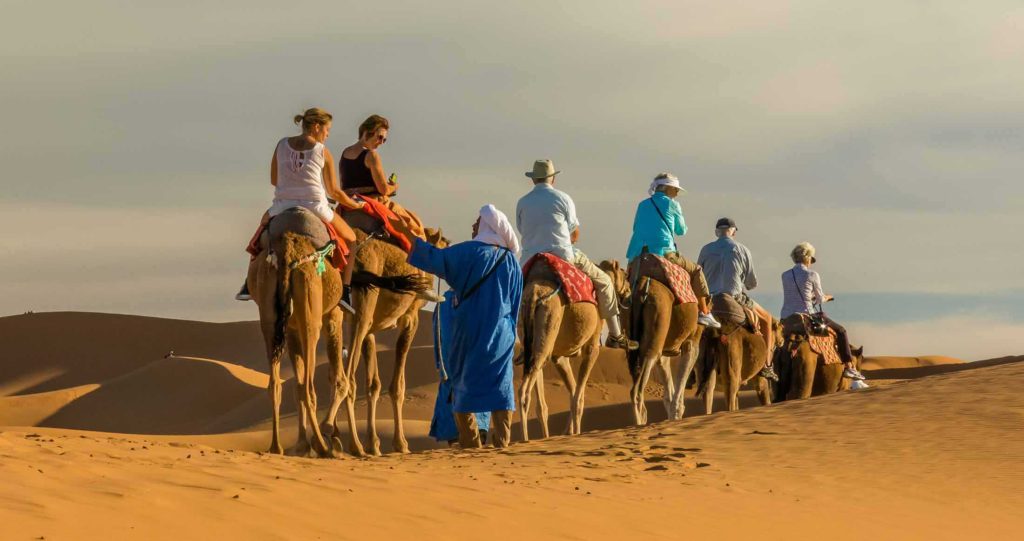
The established tourist routes into the dunes are well traveled, and camps are run by local families and operators. The main safety rules are simple and they matter:
- Never walk into the dunes alone, especially at night. Distances are deceptive and landmarks vanish.
- Stay with your guide on camel treks and dune climbs.
- Carry water and cover your head.
- Choose a licensed operator and ask exactly where the camp is located.
For solo travelers, we have a dedicated guide to solo travel safety tips for the Sahara. If you want a short first night in the dunes, our 2-day Zagora tour from Marrakech keeps the driving manageable.
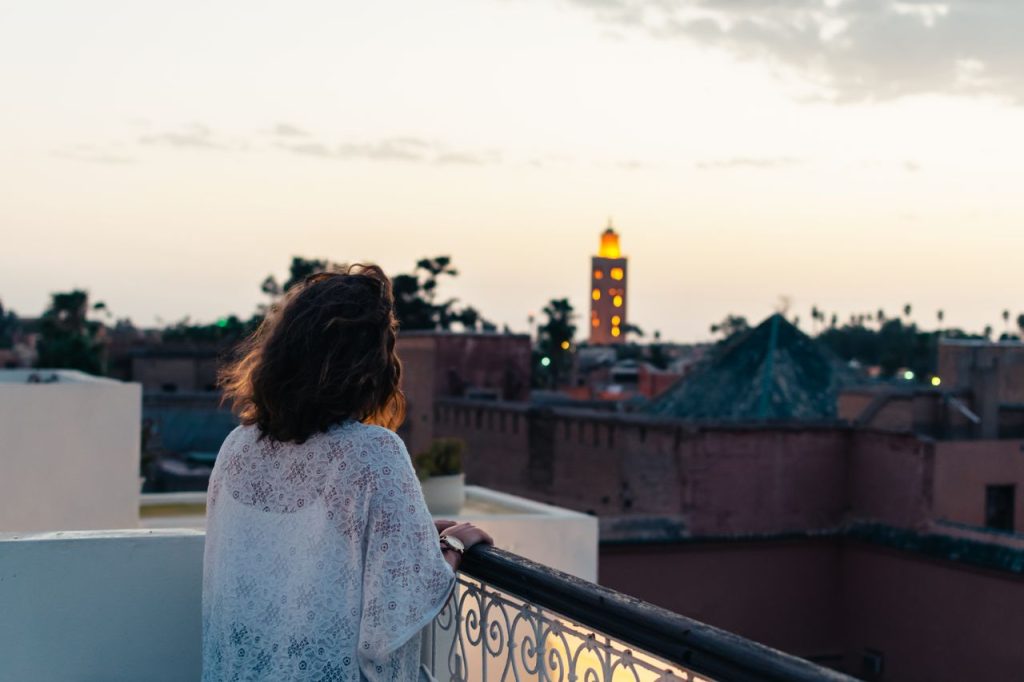
What About Earthquakes and Natural Hazards?
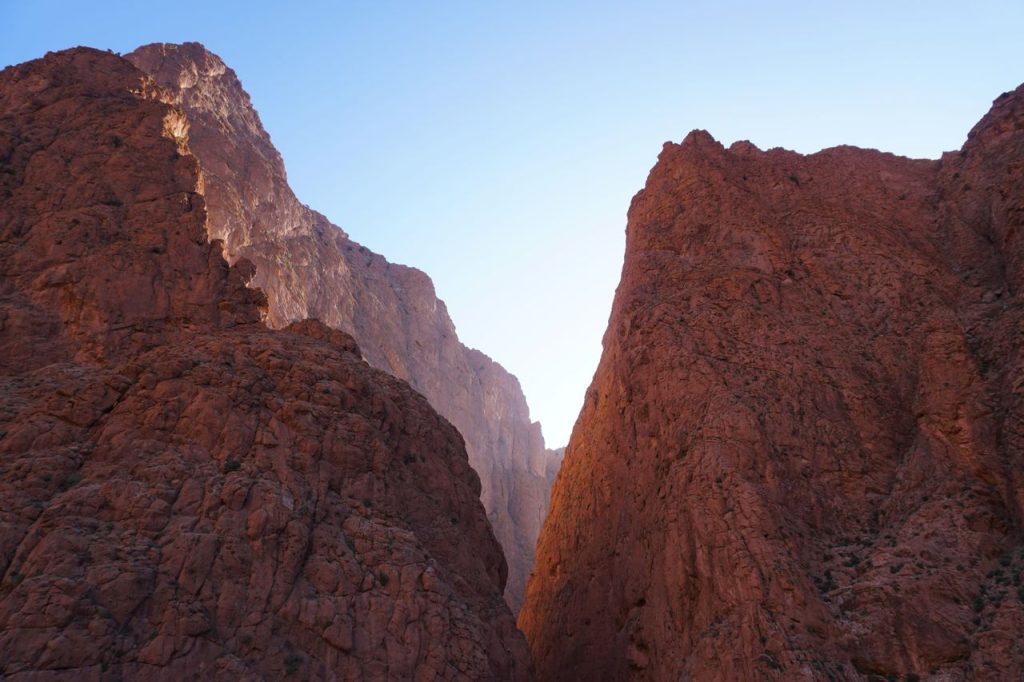
In September 2023 an earthquake struck villages in the High Atlas south of Marrakech. Since then, travel routes have continued to operate, but road conditions can change, especially after heavy rain or snow in the mountains. We confirm the route for your exact dates before departure and adjust if needed.
Local Laws and Etiquette That Affect Your Safety
Morocco is a Muslim country with its own laws. Illegal drugs carry real penalties, including for tourists, and cannabis remains illegal for recreational use. Same-sex relations are criminalized, so LGBT+ travelers should read their government’s guidance and use discretion. Drones need authorization. For clothing and public behavior, see our guide to what to wear and pack for Morocco.
Practical Checklist Before You Fly
- Check your government’s current advisory.
- Buy travel insurance that covers medical evacuation and adventure activities.
- Enroll in STEP (US citizens) or your country’s equivalent.
- Make copies of your passport and keep them separate from the original.
- Book transport and guides through licensed operators.
- Download offline maps and keep the phone number of your driver and riad.
FAQ
Is Morocco safe to travel to right now?
Morocco is open to tourists and widely visited. The US State Department advisory is Level 2, “Exercise increased caution,” reissued on 4 September 2026. Check the live advisory before you travel, as it can change.
Is it safe to travel to Marrakech?
Marrakech is one of the most visited cities in Africa. Expect crowds, haggling and the occasional pickpocket. Keep valuables close, use official guides and agree prices in advance.
Is it safe for women to travel in Morocco?
Many women travel here successfully, solo or in groups. Dress modestly, expect some unwanted attention in busy areas, and trust your instincts. A private driver and a guide make a major difference.
Is it safe to travel to Casablanca, Morocco?
Casablanca is a large modern city. Normal big-city precautions apply: avoid showing valuables, use registered taxis and stay in well-lit areas at night.
Is it safe to travel to Morocco when pregnant?
Speak to your doctor first. Long drives, heat and limited medical access in remote areas are the main concerns, so choose shorter routes and comfortable vehicles.
Travel With Local Support
A good guide turns uncertainty into confidence. If you would like a route designed around comfort and safety, our team can arrange a private driver, vetted camps and clear communication every day. Explore our Agadir to Merzouga private desert tours, browse the Marrakech excursions, or read the FAQ for pickup, languages and booking details.
About the author: Lahbib is of Berber descent and was born in the desert. He and his team at Visit the Desert plan private tours from Marrakech, Casablanca, Fes and Agadir.